
January 19, 2025 homily on John 2:1-11 by Pastor Galen
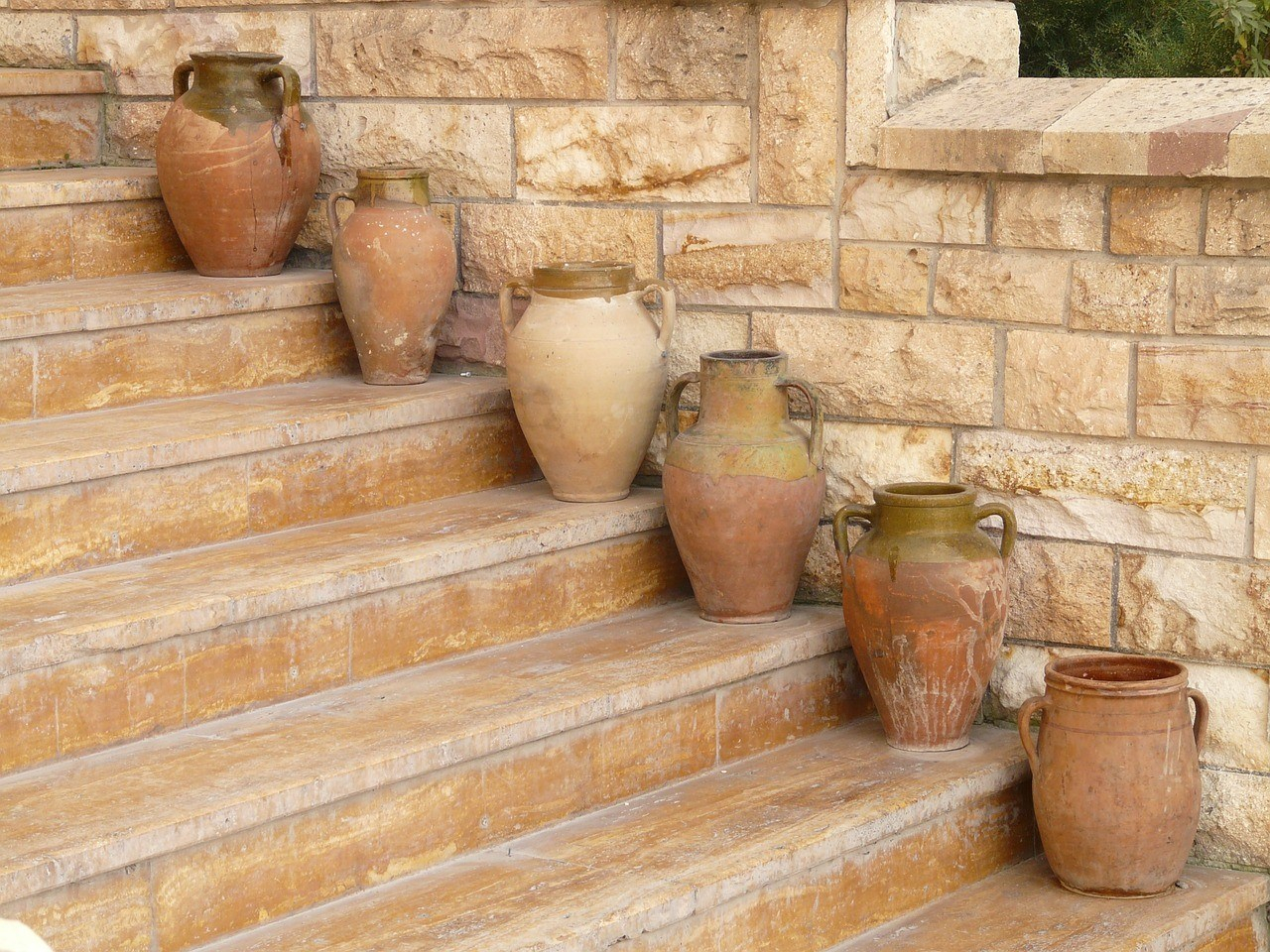
Now standing there were six stone water jars for the Jewish rites of purification, each holding twenty or thirty gallons. Jesus said to them, “Fill the jars with water.” And they filled them up to the brim (John 2:6-7).
Twenty-one years ago when my wife and I were planning our wedding, we faced a dilemma that many soon-to-be-married couples face: namely, how were we going to pay for the wedding? Eboni and I both come from large families with a lot of aunts and uncles and cousins, and we wanted as many of our family members there as possible. We also wanted to invite our friends, coworkers, and folks from our church. But how could we afford to feed that many people?
Here in Maryland, it’s generally assumed that wedding guests will be served a full-course meal at the reception. But catering a full-course meal can be expensive, and when you add in the cost of the venue, the photographer and videographer, the cake, the dress, the tuxedo, and the decorations, the costs really add up. (Money.com recently reported that the average cost of a wedding in the U.S. is $30,000. In Maryland, the average is $39,000!)
The Wedding at Cana
But as expensive as today’s weddings are, one can only begin to imagine how much it must have cost to throw a wedding back in Jesus’ day when wedding celebrations generally lasted for seven days, and hosts were expected to invite as many people as possible. Many of the guests would only come for part of the time, making it difficult to predict ahead of time how much food and drink would be needed.
One essential element that hosts certainly didn’t want to run out of was wine. But sure enough, that’s what happened at the wedding that Jesus and his disciples attended in the town of Cana.
Running out of wine at a first-century Jewish wedding was like running out of crabs at a crab feast, or throwing a birthday party and forgetting to buy a cake. Running out of wine at a wedding feast in those days was a social faux pas that would have made the couple the target of jokes for years to come, and would have caused much shame for their families as well.
And so, Jesus’ mother, who was also attending the wedding feast, turned to Jesus and said, “They have no wine!” (John 2:3).
Now, what exactly Mary wanted Jesus to do about this, I’m not sure. Wedding guests in those days often brought wine as their contribution to the wedding feast, and so perhaps Mary was hinting that Jesus and his disciples should go to a neighboring village to buy wine. Jesus seems to interpret Mary’s statement as a request for him to perform a public miracle to get everyone’s attention since he responded by saying that his “hour” had not yet come, which in the Gospell of John often refers to the time when Jesus was crucified and revealed to be the Messiah, the Son of God.
But Mary insists that Jesus do something, and even tells the servants to be on standby for whatever Jesus tells them to do.
Turning Water into Wine
And sure enough, Jesus does take action. But he does so in a rather unexpected way, telling the servants to fill six stone jars with water and to take some to the person in charge of the wedding feast.
Now, there are a few things for us to note about Jesus’ actions here. First, the empty jars he instructed the servants to fill were very large vessels, holding 20-30 gallons each, that were typically used for “Jewish rites of purification” (John 2:6). Essentially they were typically used to fill a small pool, sort of like an adult-sized baptismal font, where someone could bathe as part of their religious observance. The key thing to note is that these jars were typically used for holding water, not wine!
Secondly, one of the ways that the hosts of the wedding ensured that they didn’t run out of wine was to water down the wine. In those days, they didn’t use artificial processes like distillation to increase the level of alcohol in wine like we do today. Instead, they actually added water to the wine, which not only lowered the alcoholic content, but also made it stretch further. As the week went on, the servants would add more and more water to the wine to make it stretch further, with the rationale being that the guests would be less likely to notice anyway, as the person in charge of the wedding feast notes in verse 10.
Jesus instructs the servants to take the stone jars, typically used for religious ceremonies but currently sitting there empty, and to fill them with water.
Now, I can only imagine what was going through the servants’ minds. On the one hand, they were probably thinking that Jesus was going to try to water down the wine even further, to stretch whatever little bit of wine they had left and make it last throughout the rest of the festivities. Of course, that would be impossible if there was no wine left. But the servants followed Jesus’ instructions, filling the jars with water all the way to the brim, and then taking some of it to the person in charge of the ceremony for him to taste, as Jesus instructed.
Shockingly, when the master of ceremonies tasted it, it wasn’t really watered-down wine. Rather, the word he uses here describes the best wine, the “choice” wine. Jesus’ miracle was not taking wine that was running out and stretching even further, it was providing the best wine, choice wine, and not in a scarce quantity, but in abundance!
Now, there are a lot of things we could take away from this passage — one of which is that if you’re planning to get married, make sure to invite Jesus to be a part of it!
People Over Programs
But there are two things in particular that I want to invite us to take away from this passage. The first is an individual takeaway. The last relates to us as a congregation that is part of the Church in North America.
On an individual level, we see here, as one commentator pointed out, that “Jesus show[ed] more concern for his friend’s wedding than for contemporary ritual” (Keener, IVP Bible Background Commentary). Filling stone jars typically used for ritual purification with wine could have been seen as sacrilegious by some people in those days, even though there was nothing prohibiting it in the Bible. But Jesus seemed more concerned with removing this couple’s shame and ensuring the health and happiness of their marriage than he does with keeping and preserving human-made traditions. One way to think about this is that Jesus prioritized “people over programs.”
I think this is important for us to remember on an individual level—that Jesus loves us and cares about us. He is concerned for our well-being, and even when we haven’t always gotten it right, Jesus doesn’t want us to live with guilt and shame, but rather there is always grace and mercy and forgiveness available to us. And grace is not in short supply. Jesus offers it freely to us. There is abundance!
When it Feels Like the Wine is Running Out
On a congregational level, and as part of the Church here in North America, there are a lot of ways in which it can feel like the “wine” is running out. Many churches in the U.S., including our own congregation, were founded in the midst of revival, when people were flocking to church. Programs were developed rapidly, and large church buildings were built to accommodate congregations that were bursting at the seams. But now church attendance in the U.S. is at an all-time low.
With fewer people attending church, resources are often stretched thin, and we’re tempted to do one of 2 things:
1. In an attempt to conserve our limited resources, we may met tempted to stop doing mission and outreach, and use our limited resources just to keep our programs going. But if we do this, we might as well close the doors of our church permanently, since our mission as a church is to make disciples of Jesus Christ, and that necessarily involves mission and outreach.
2. We may be tempted to “water down” the message in a desperate attempt to get people to come to church. We try to make the content more palatable by removing language about sin, or forgiveness, or sacrifice or transformation. We downplay the religious aspects of church and increase the entertainment or social aspects.
Now, I think there should be elements of fun at church, and I hope that you do develop a social network here at church. But these elements are not enough in and of themselves, because there are plenty of places where people can go to be entertained or to meet other people. Churches do not have a monopoly on this anymore, like maybe they did in the past. Nowadays if people want to be entertained or to meet other people, they don’t even have to leave their houses — they have access to countless varieties of entertainment and social networks right on their electronic devices.
The Best “Wine”
On the other hand, there is something unique that we can offer as a church, and that is the message that there is a God who loves us, who loves the whole world so much that Jesus came into the world and gave his life on the cross to remove our guilt and shame and to fill us with new life, and with joy and satisfaction that is nothing like what the world can offer.
A lot of what the world offers is a distraction from the pain and loneliness of this life. The world offers coping mechanisms, to dull or to downplay the pain and longing that we feel. But Jesus came to remove our guilt and shame and to give us true life, life abundance — he came to bring the “best wine” as we see here in John 2. And so we don’t need to water down the Good News to try to make it less palatable. Instead, we can offer the true message of God’s love for all people, that there is nothing that we need to do to earn or gain God’s favor, and that God’s grace is abundant and free. And while it will change us and transform us in ways that we could never imagine, there is nothing we need to do to earn or gain God’s favor.
Conclusion:
And to this morning may we be reminded of the abundant grace and love that Jesus offers. Just as he transformed water into wine at the wedding in Cana, Jesus can transform our lives, filling empty places with joy, hope, and purpose. Both as individuals and as a congregation, may we trust in the abundance of God’s provision, remembering that the “best wine” is not something we can create (or water down) through our own efforts—truly it is a gift from God, freely given and overflowing with life.
Amen!
Questions for Personal Reflection in Response to Today’s Sermon:
- Have you ever experienced a time when you felt like your “wine”—your energy, joy, or resources—was running out? How did you handle it?
- How does Jesus’ action of providing not just wine, but the best wine in abundance, speak to your understanding of God’s grace and provision?
- Are there areas in your life where you feel weighed down by guilt or shame? How can you accept the grace and forgiveness Jesus freely offers?
- Are there areas where you feel tempted to “water down” your faith or message to fit in with the world? How might you refocus on the unique and transformative aspects of God’s love?
- What role do you think authenticity in worship and outreach plays in attracting others to faith?
 Hampden United Methodist Church