March 3, 2024 homily on Mark 1:21-28 by Pastor Galen
“All My Knotted Up Life“
This week I’ve been listening to the audio version of All My Knotted-Up Life: A Memoir by Christian author and speaker Beth Moore. In the book, Beth Moore shares the struggle of growing up in a household that appeared better from the outside than it actually was on the inside. For those looking in from the outside, Beth’s family attended church regularly, and her father even directed the Sunday school program at their church. But inside their household, there was abuse and infidelity that led to depression and possibly addiction. Beth also shares her struggles as an adult, being to married a man who suffers from PTSD and bipolar disorder, and serving in full-time ministry in a church that did not affirm women in leadership roles. She shares painful experiences in which she was criticized publicly by national leaders of her denomination for her calling into ministry. And yet her story is not just a story of struggle, but also of healing and deliverance, which often took place over the course of many years. It’s about learning to forgive. And it’s about experiencing some challenges and difficulties that just won’t go away, but learning to live with them with the help of God.
Listening to this audiobook, I’ve been thinking (among other things) about the interconnectedness of physical, emotional, and mental health, and how traumatic experiences affect our bodies, minds, and souls. I’ve been thinking about how traumatic experiences often have a ripple effect, impacting not only us but those around us as well. And I’ve been thinking about the reality that we in the Church are not immune from any of this.
The Healing Ministry of Jesus
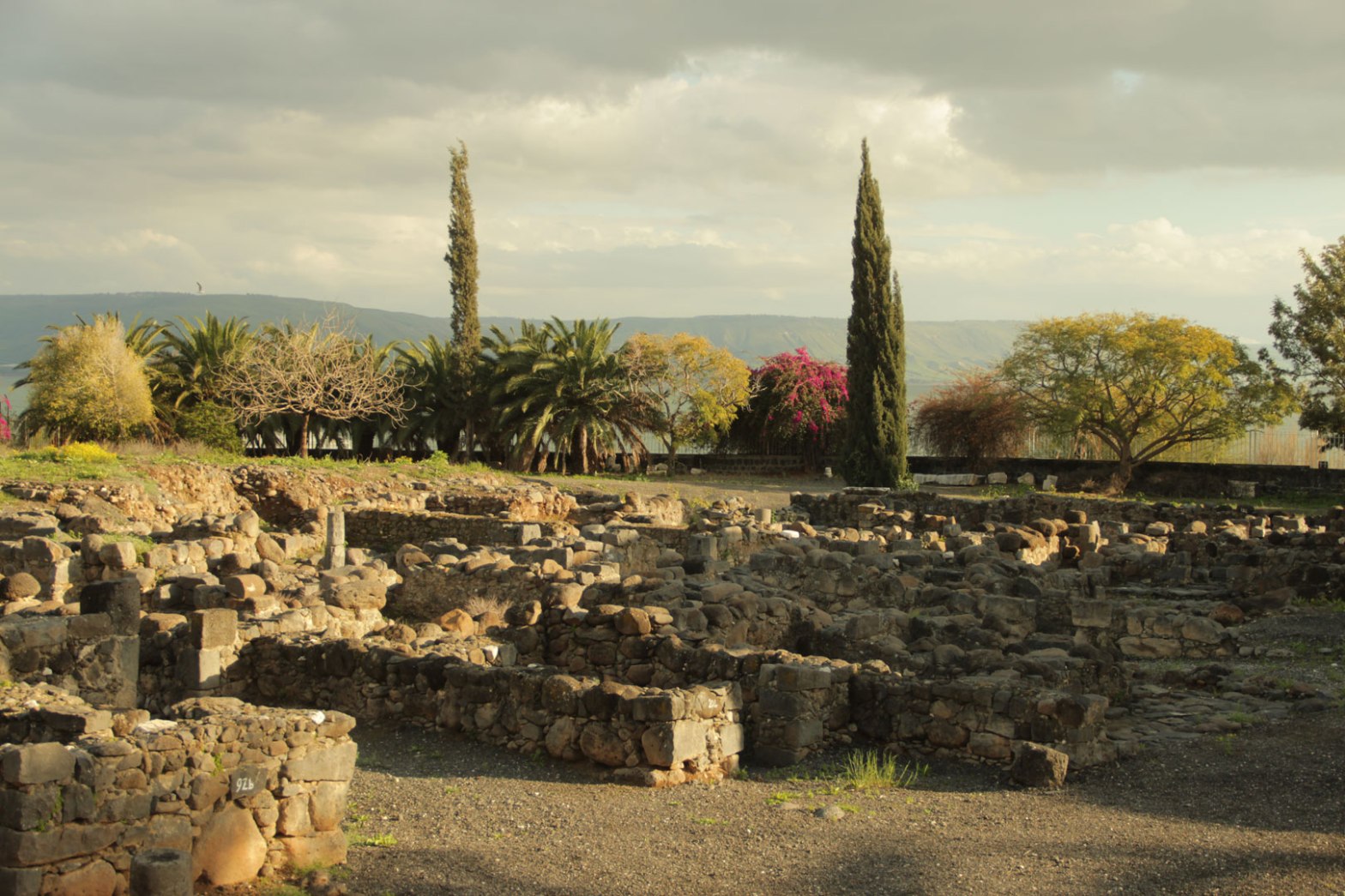
In Mark 1, after Jesus is baptized and spends 40 days in the wilderness, fasting and praying and wrestling with temptation by the devil, Jesus comes to Galilee and begins teaching and preaching, proclaiming that the Kingdom of God has come near. He calls people to repent—to turn around—and to believe in the good news. He invites his first disciples to follow him. And then he goes to the town of Capernaum, where he begins teaching in the synagogue.
And right then, in the middle of the service, a man with an unclean spirit begins to cry out. Jesus rebukes the unclean spirit and commands the unclean spirit to come out, bringing deliverance, and restoration to this man. We can only imagine the ways that the unclean spirits had terrorized this man and those around him, and the impact that this deliverance had on the man and really the whole community. We see here the tremendous power and authority of Jesus, and how he used his power to bring healing and deliverance to this man’s body, mind, and soul.
The fact that this deliverance took place in the middle of a worship service reminds us once again that we as churchgoers face many of the same challenges that non-churchgoers face. We face challenges and difficulties in our own homes and within ourselves. We sometimes experience trauma, directly or indirectly. And so, we don’t come to church because we have it all together. But rather, we come because we recognize our need for healing and deliverance. And we believe that Jesus has the power to do that.
Body, Mind, and Soul
Now, rarely do we talk about demonic oppression or unclean spirits in our society. Normally we like to use much more clinical language. Sometimes when someone is experiencing intense mental anguish, or in the throws of addiction, we may say that they are wrestling with demons, but we usually mean that in a metaphorical way. And yet, what affects us physically often affects us mentally and spiritually as well. Medicine is not always sufficient to cure what ails us. Counseling and therapy are important. Prayer is important. And often it takes a combination of all of the above.
As in the case of Beth Moore, sometimes the healing that Jesus brings is not instantaneous. Sometimes healing takes place over many years. And sometimes we may never experience complete wholeness on this side of heaven. But as followers of Christ, we are reminded that Jesus has power and authority over every challenge we may face and that God is with us no matter what we go through.
We are reminded, too, that just as Jesus cared for people’s bodies, minds and souls, so too should we who are Christ’s followers. This means not only praying for people who are in need of healing, and welcoming them into our community, but also helping to ensure that everyone has access to the resources they need to experience health and wholeness—body mind, and soul.
Community Health Workers
One of the doctor of ministry students at the seminary where I work was recently interviewed on WMAR1 about the work she is doing here in Baltimore as both a minister and a Community Health Worker. Community Health Workers work with people who might otherwise fall through the cracks in the system, “fill[ing]l in the gap where medicine falls, where health systems can’t reach.” They are trained in “everything from CPR to information on health screenings to mental health services to finding clients…transportation.”
One example given in the interview is of someone who struggles with diabetes. A doctor can prescribe insulin, but what happens if that person doesn’t have health insurance to pay for it, or have access to healthy foods to “better promote their diabetic care”? This is where Community Health Workers come in, helping to connect people to the resources necessary for holistic health. When interviewed about why their church was involved in this effort, the pastor said, “We believe there is no church without community and there is no community without church.” And in a facebook post following the interview, the doctoral student said, “This is ministry, and I am glad to be a part of it!”
The Source of All Healing
As followers of Christ, when we pray for people, and when we minister to their physical, spiritual, and emotional needs, we point them towards Jesus, the source of all healing.
Jesus loved the world so much that he did what no one else could have ever done—he gave his life for us on the cross, so that we could be healed and restored to wholeness in our relationship to God and to one another. Jesus endured suffering and anguish and ultimately death so that we could be raised to the newness of life. And he did that out of love for you, and me, and for the whole world–even those who have rejected him and turned their backs on him. Jesus saw that our need was deeper than we could have ever known, and he was willing to give it all so that we could be made whole.
And so this morning, let us remember the sacrifice that Jesus made for us. Let us remember how he gave his life so that we could be made whole. Let us respond in praise and thanksgiving, and may we too give ourselves for others, that they too may experience healing and wholeness in Jesus’ name.
Amen!
Questions for Personal Reflection:
- Reflect on a time when you felt like you were struggling with something internally, while outwardly everything seemed fine. How did this experience impact your understanding of the complexities of human experience?
- Think about a time when you witnessed or experienced healing, whether physical, emotional, or spiritual. How did this experience shape your faith or understanding of the power of Jesus’ healing ministry?
- In what ways do you think the church can better support individuals who are struggling with mental health issues or trauma? How can we create spaces that allow for vulnerability and healing?
- How does Jesus’ sacrificial love and willingness to give his life for us impact your understanding of healing and wholeness? In what ways can we emulate Jesus’ example of selfless love in our own lives and ministries?
- Take a moment to reflect on any areas of your life where you may be in need of healing or restoration. How can you invite Jesus into those areas and trust in his power to bring about transformation and wholeness?
- https://www.wmar2news.com/local/bridging-the-gap-between-medicine-and-community-health ↩︎

